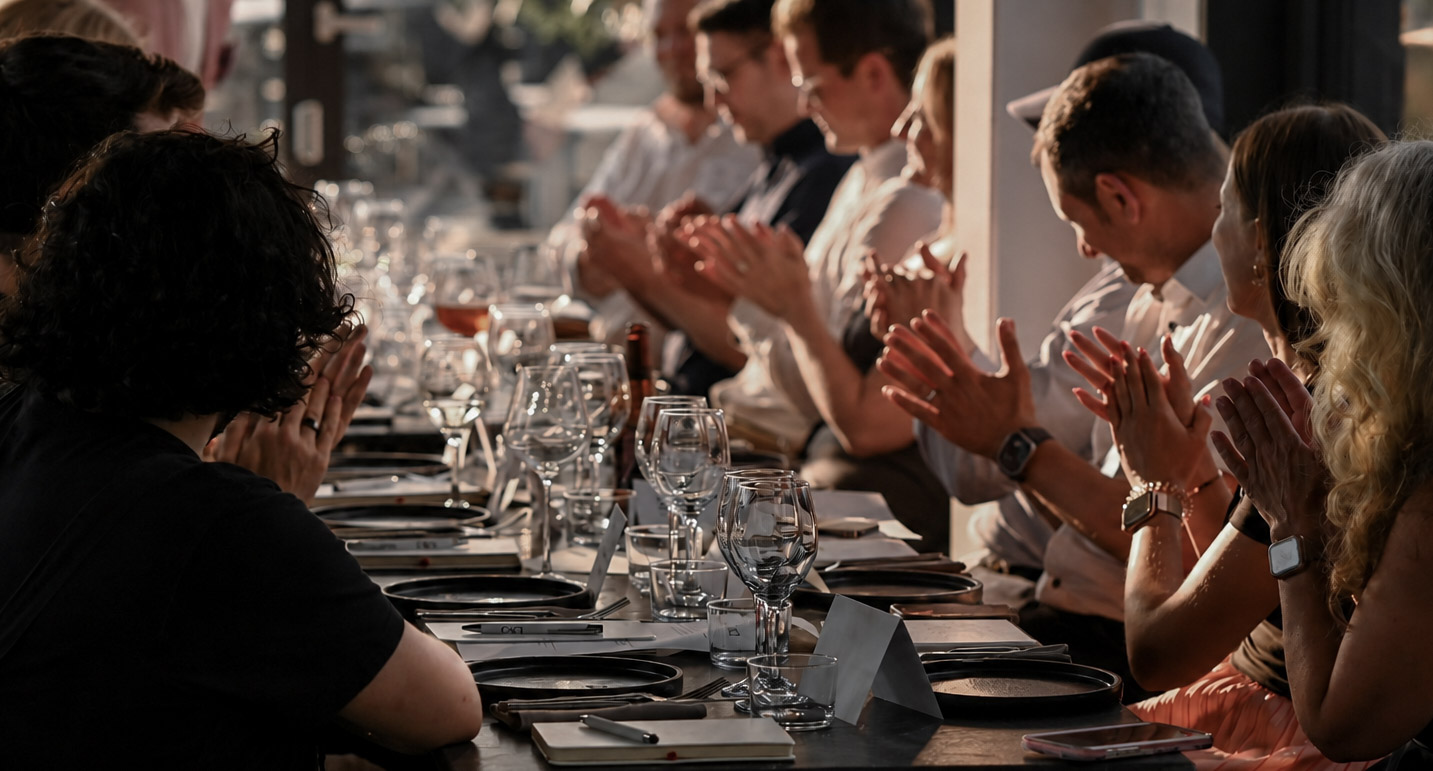
Executive dinners can be one of the most effective formats in B2B events, but only when they are designed around the people attending them.
The mistake is to think of an executive dinner as a sales event. It is not. The best executive dinners are small, carefully curated gatherings where senior leaders can meet relevant peers, discuss a topic they genuinely care about, share experiences and build relationships in an environment that feels relaxed and worthwhile.
When the attendee experience is right, the commercial value tends to follow naturally. After running hundreds of events over the years, and now focusing specifically on smaller executive formats, these are the principles I believe matter most.
Start With the Attendee, Not the Sponsor
The first question should not be: Who do we want to sell to? It should be: Who would genuinely benefit from being in this room together?
That distinction matters. Senior leaders are busy, and if they are giving up an evening to attend a dinner, the experience needs to justify their time. That means bringing together people with similar levels of responsibility, relevant challenges and enough shared context to make the conversation interesting.
A strong table should still feel valuable even if nobody discusses a product all evening. That is probably the best test of whether the event has been designed properly.
Quality Matters More Than Quantity
One of the biggest advantages of an executive dinner is its size. At conferences and expos, attendees can be surrounded by hundreds or thousands of people. Sponsors compete for attention, conversations are brief, and everyone is moving between stands, stages, meetings and networking sessions.
I have experienced this myself when attending exhibitions to source venues for events. You can have hundreds of suppliers in one building, all trying to get your attention at the same time. Ironically, having more choice can make it harder to actually find the right company to work with.
Executive dinners take the opposite approach. Instead of trying to create the biggest audience possible, you create the most relevant room possible. For attendees, that means better conversations and more useful networking. For the host, it means having enough time to actually get to know people.
You do not need hundreds of people to create value. Sometimes the right 12 people can create a far better evening than the wrong 1,000.
Most Senior Buyers Are Not Actively Looking for You
This is another reason smaller executive events work. Many of the organisations you would most like to build relationships with are not walking around trade shows actively searching for a new supplier. They may not even know that they need what you offer yet.
That does not mean they are not interested in solving the problem. It simply means the conversation needs to start somewhere else. A relevant discussion around a real industry challenge is a much more natural starting point than a product pitch.
People get to exchange ideas, hear how their peers are approaching the same issues and meet organisations they may never otherwise have encountered. That creates a much healthier environment for everyone involved.
Choose a Topic People Actually Want to Discuss
The topic can make or break the dinner. It should be relevant enough that someone would want to attend regardless of which company is hosting it.
The strongest themes tend to focus on the challenges, changes and opportunities that attendees themselves are dealing with. They should invite different viewpoints, create discussion and never feel like the title of a disguised sales presentation.
A useful test is: Would I still attend this discussion if nobody tried to sell me anything? If the answer is yes, the topic is probably strong.
Keep the Sales Element Subtle
Nobody wants to spend an evening sitting through a long product demonstration disguised as networking. Senior attendees will recognise that immediately.
The host should absolutely contribute to the conversation. They should share expertise, ask intelligent questions and offer useful perspectives, but they should not dominate the evening. The strongest events are the ones where attendees begin talking to one another naturally.
If someone leaves thinking, “I met some really interesting people tonight,” that is far more powerful than leaving with a stack of brochures.
Curate the Room Carefully
A strong guest list is not simply a collection of impressive job titles. There needs to be a reason those people belong around the same table.
Industry, seniority, company size, responsibility, geography and the topic itself can all influence the dynamic. The aim is to create enough common ground that people can relate to each other, but enough diversity of experience that they actually learn something new.
That balance matters. Put the wrong people together and the conversation can feel forced. Put the right people together and very little facilitation is needed.
Make Networking Feel Natural
Networking should not feel like work, and you should not need endless structured exercises or forced introductions. The right room does most of the work for you.
Small groups help, a shared topic helps and a relaxed setting helps. Most importantly, having relevant people around the table helps. The objective is not to force everybody to network, but to create an environment where useful conversations happen naturally.
Protect the Atmosphere
One of the things that makes private dinners different from larger corporate events is the atmosphere. They should feel comfortable, and people should be able to speak openly, disagree, share experiences and ask questions without feeling as though every comment is being turned into a commercial opportunity.
That trust is important. It is also what allows a dinner to move beyond surface-level networking into much more interesting conversations. People behave differently when they feel comfortable.
Respect People’s Time
Senior leaders have very little of it, so every part of the evening needs to feel considered. The venue should be convenient, communication should be clear, the timing should make sense, the dinner should start and finish when expected, and the people attending should be relevant.
None of these things are particularly glamorous, but they matter. You can book the most impressive venue in the city and still deliver a poor event if everything around it feels disorganised.
The Host Should Facilitate, Not Dominate
A good host can dramatically improve a dinner. Their job is to help the conversation flow, bring quieter people into the discussion, make useful introductions, ask questions and occasionally move the conversation forward.
Their job is not to speak for most of the evening. Some of the best moments happen when attendees take over the discussion completely. That is usually a sign that the room is working.
Give People a Reason to Stay Connected
A great dinner should not necessarily end when everybody leaves the restaurant. Often the most valuable thing attendees take away is the network itself.
They may meet someone dealing with the same challenge, someone with a completely different perspective, someone they can learn from, or simply someone they would like to stay in touch with. Helping those relationships continue after the event can add significant value.
Think Long Term
The most successful executive dinners are not about extracting as much commercial value as possible from one evening. They are about relationships.
For attendees, that means meeting relevant people, learning something and having an enjoyable experience. For the host, it means becoming part of that conversation and building credibility with people they would genuinely like to know.
Sometimes that leads to business quickly. Sometimes it takes months. Sometimes it simply creates a positive relationship for the future. All of those outcomes can be valuable.
The Best Executive Dinners Do Not Feel Like Marketing
This is probably the most important point. If attendees leave feeling as though they have spent the evening at a sales event, something has gone wrong.
A strong executive dinner should feel worthwhile in its own right. People should leave having had interesting conversations, met people worth knowing and hopefully learned something useful.
When you design the event around that principle, everybody benefits. The attendees have a better experience, the host builds stronger relationships, and you create an event people are genuinely happy to attend again.